We’ve collected a number of experiment examples done with infants/toddlers that students can use to deconstruct for the steps of the Scientific Method.
The Visual Cliff
Still Face Experiment
The Strange Situation – Mary Ainsworth
Harlow’s Monkey Experiments
Can Babies Tell Right From Wrong – naughty nice puppets
Object Permanence
Conservation Task – a typical child on Piaget’s conservation tasks
Here’s an instructional video that introduces the assignment. Watch the first 10 minutes to understand the basics of the assignment.
The other elements, vivid verbs and Showing, Not Telling we will review later together.
Here are some student examples of this type of writing.
Note: It is not a whole short story – you start partway into a story that’s already built up tension. And you are the storyteller.
Watch the following video, and in the boxes on your page (pg 4) try to write in examples you hear of Descriptive Phrases for sight, sound, touch, etc.
When you’ve finished, pick a page of your short story reading and find/highlight the Descriptive Phrases the author developed in it.
Psych 30 Period Three:
There’s a 12 minute podcast portion about what babies experience initially after birth. You can write a few summary notes on your page. (Below is what your page looks like on the 00 Course Outline Page.)
You’ll listen to another podcast about a family who do an experiment bringing a newborn into their home – a newborn chimpanzee! It’s 32 minutes long.
Press the Play button. A media player will appear at the top of the page.
You’ll see on the media player slide, a white line that breaks up the two parts of the podcast. Jump to the middle – it’s where this section begins @ 25 minutes in.
Your notes section is on page 1.1 Nature vs. Nurture. You can take notes to review/study from and then try to fill in which parts of her behaviour were Her Nature vs Her Nurture (environment).
We’ll discuss next week!
ELA 20 Period Five:
Since the girls are away for volleyball, I have an activity the boys should enjoy.
They should first finish pages 6 & 7 in their handout, from yesterday. Tell them to consider the author’s use of the Equator as a metaphor and, when trying to figure out what its compared to/represents, consider the poem’s title as the clue.
Then, there’s a drawing activity I think they’ll enjoy, especially since they’ve grown up together since childhood. I wish I could be there to watch them do this.
Instructions and examples shown in my Instructional Video below.
Hope it was a great (first sub day) for you and our Kodiaks! Enjoy the weekend!
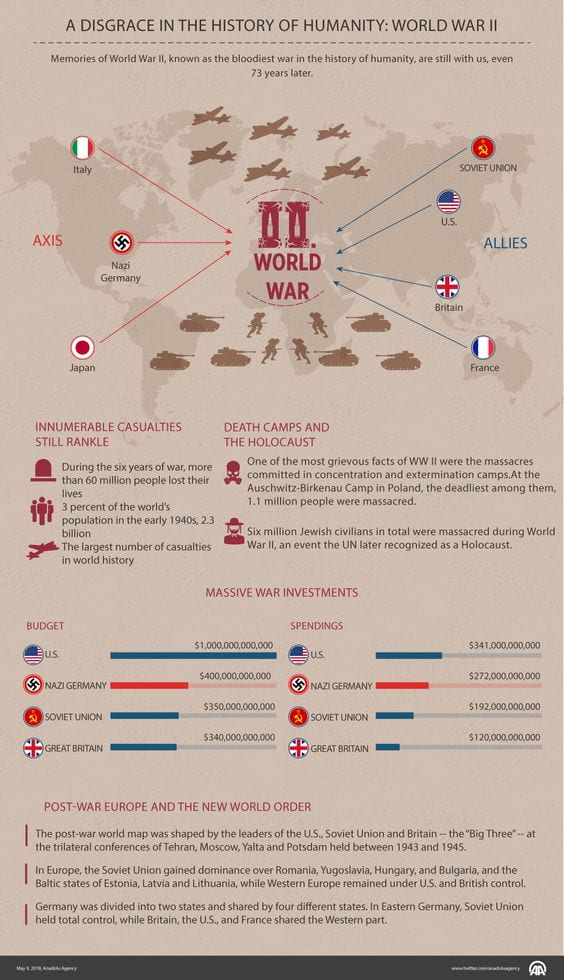
Our next unit is a Novel Study focusing on a time period in history that’s significant – it involved the attempted extermination of a race of people in Europe, the Holocaust.
Handout 9.0 Pg 3- 4 There are boxes to summarize the information from each of the sections in this pdf (below). There is a video instead for box #2
We’re studying texts about feeling included or excluded, so we’ve had some fun letting AI Generate images to represent these emotions and thoughts.
Students had to generate a list of words, feelings for what Exclusion feels like. Then the same for what Inclusion feels like.
Then, we used different websites to generate these images in a variety of styles.
The Dream.ai website was great for the variety of styles available, but sometimes the images took a long time to generate. And they, sometimes, weren’t as abstract which takes some of the fun out of the final project.
We used https://magicstudio.com/ai-art-generator/ to easily make images. It was fast, but it doesn’t have a list of styles to pick from. The images made seemed repetitive. So we started adding in the “word list” style names from the Dream.ai website to generate a variety of images. (We maybe want to avoid asking for “tattoo style” on this website, though. lol)
Students have to generate at least 7 images for the Exclusion feelings and 7 images for the Inclusion feeling.
Then they had to select the 5 of each they’re going to use for their presentation.
Here are a variety of the images generated. And a snip of the kinds of “styles” you can request the AI site to make for you.
Behavioural Studies documentary – it specifically focuses on issues of people being “obedient” to a perceived “authority figure”.
You should take notes on the aspects or examples of this issue that are included in the documentary.
Trigger Warning: I discussed with you yesterday, too, that there are disturbing events described (with some blurred videos) in this documentary. I’ve edited this video myself for displaying in a classroom.
Period 4: ELA 9
Deciding: Is the Monster real or is it in Conor’s head?
Could the Monster be real and only seen by Conor or is it in his head?
I want you in groups of no-more-than-three to study the text, what you remember of certain events, and decide on this main question, first.
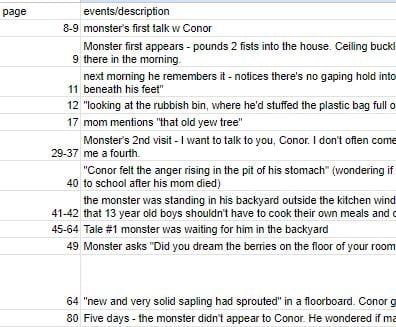
Then, you have to find your supports that prove your claim. There may be specific moments from the storyline you want to point to for support. I’ve shared the PDFs of the pages with you AND I am sharing a Sheet with you that should help you narrow down/find those moments on the pages so you can CHECK THE TEXT. Find the text evidence that supports your position as a group.
Develop a presentation that you’ll all deliver to the class live. It should include:
A beginning, middle, and end.
Be well organized – like a paragraph goes through steps, so should the presentation.
Be written in a Convincing, Persuasive tone/manner.
Include the Text References as support – along with analysis of your text examples.
A conclusion – wrap it all up
It should also be visually interesting, as a presentation.
And each of the potential 3 team members have to have a role in delivery of the presentation.
Watch the Terry Fox video below and create a list of his positive and (potentially) negative characteristics.
Ask them to try to create a list of their own personal positive characteristics, seeing if any overlap with some of Terry’s.
They’re to write a formal letter to their parents explaining about:
our school’s upcoming Terry Fox Walk Event – what it’s for, it’s goal
what their thoughts are of Terry – admire him, curious about him, what they wonder of what his life could have been
write about their own personality characteristics they hope to develop as adults, once they get to be Terry’s age.
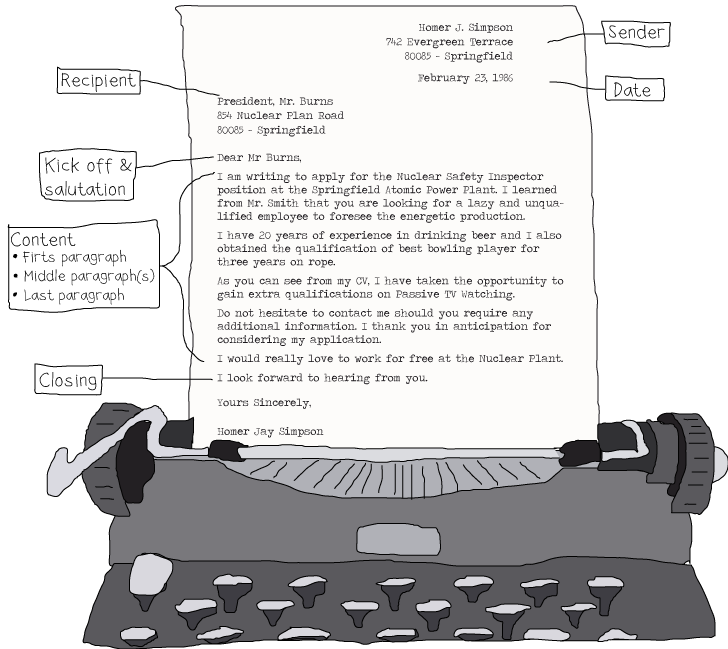
Use the outline below to begin a Letter and end it properly.
Guide for Letter: Intro, Middle (Body), and Ending
Intro:
introduce why you are writing to your parents
thinking about the Terry Fox walk coming up next week
considering the continued impact he’s made; what his legacy is (influence on others)
Main/Body:
Write what your personal thoughts are of Terry Fox. Can include details you know of his background. Consider including what you and others admire about him.
Describe what our walk day will be like: grade groups will be paired together, there will be a route laid out for us, the intent is to raise money for cancer research, there will be donations and a meal at the end.
Compare your personal admirable qualities you’ve identified with those of Terry. What qualities of his might you hope to continue developing as you get older? Consider ideas you might use to inspire others in your own life, like he did.
Connect your letter to our hero unit theme: decide if Terry was a hero and explain your answer to your reader. If yes, why?
Ending:
Thank your reader for their time to consider your thoughts.